In an era where sustainability is more than a buzzword, businesses are under increasing pressure to reduce their environmental impact. One of the most effective yet often overlooked strategies is adopting an Electronic Document Management System (EDMS). By transitioning from paper-heavy processes to digital workflows, companies can lower their individual carbon footprint while improving operational efficiency.
Understanding the Carbon Footprint of Paper-Based Systems
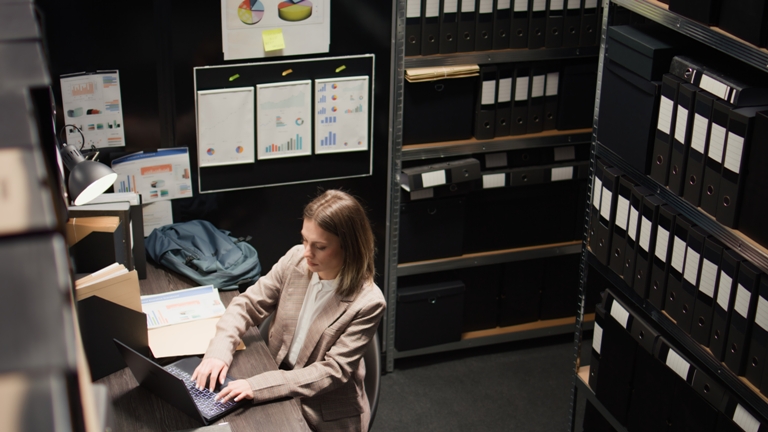
Traditional document management relies heavily on paper, printing, physical storage, and transportation. These activities contribute to the greenhouse gas emissions in several ways:
- Deforestation: The paper production industry consumes vast amounts of wood, contributing to deforestation and biodiversity loss.
- Energy consumption: Manufacturing paper and operating printers require electricity, often sourced from fossil fuels.
- Waste generation: Paper waste contributes to landfill volume and greenhouse gas emissions, specifically methane.
- Transportation emissions: Shipping documents between offices or to clients adds to fuel consumption and air pollution.
According to market studies, the average office worker uses 10,000 sheets of paper annually. Multiply that by the hundreds or thousands of employees, and the environmental cost becomes staggering.
What Is an Electronic Document Management System?
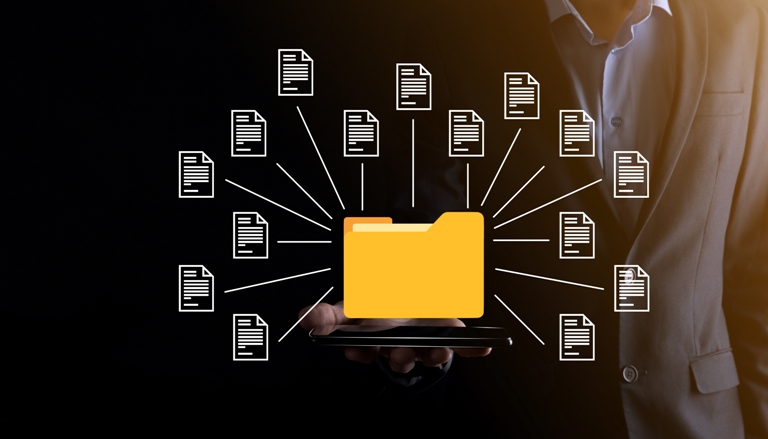
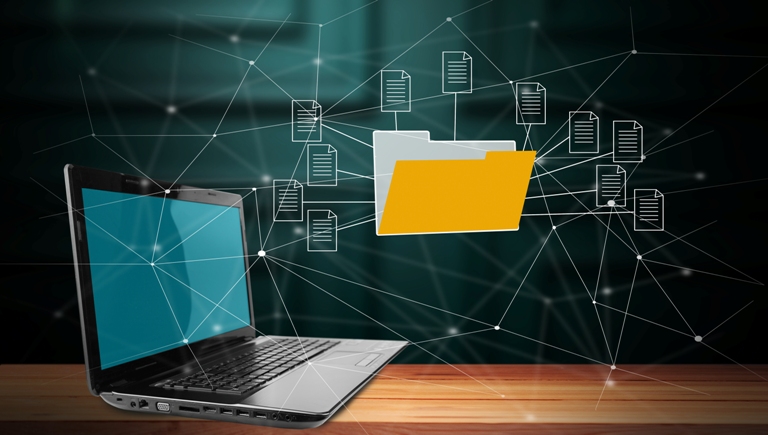
An electronic document management system is a digital platform that stores, organizes, retrieves, and manages documents electronically. It replaces physical filing cabinets with secure cloud or on-premise storage, allowing users to access files from any device, anywhere.
Key features include:
- Document scanning and digitization
- Version control and audit trails
- Secure access and permissions
- Workflow automation
- Integration with other business systems
EDMS platforms like SFTDox offer scalable solutions tailored to businesses of diverse sizes, helping them transition smoothly to paperless operations.
How EDMS Reduces Your Carbon Footprint?
1. Eliminates Paper Usage
By digitizing documents, businesses drastically reduce their dependence on paper. This not only saves trees but also decreases the energy and water consumed in paper production techniques. A single ton of paper requires about 17 trees and 26,000 liters of water to produce.
2. Reduces Printing and Ink Waste
EDMS minimizes the need for printing, which consumes ink cartridges, toner, and electricity. Less printing means fewer cartridges ending up in landfills and lower energy bills.
3. Cuts Down on Physical Storage
Paper documents require filing cabinets, storage rooms, and even off-site facilities. These spaces consume energy for lighting, heating, and cooling. EDMS eliminates the need for physical storage, freeing up office space and reducing energy consumption.
4. Minimizes Transportation Emissions
With EDMS, documents can be shared electronically, eliminating the need for courier services or inter-office mail. This reduces fuel usage and lowers emissions associated with transportation.
5. Supports Remote Work
EDMS enables secure access to documents from anywhere, supporting remote and hybrid work models. This reduces commuting, which is a major contributor to carbon emissions in urban areas.
6. Improves Lifecycle Management
Digital documents are easier to archive, retrieve, and dispose of responsibly. EDMS ensures that outdated files are securely deleted or stored without generating physical waste.
Quantifying the Impact
Businesses that adopt EDMS report measurable environmental benefits:
- Up to 80% reduction in paper usage
- 30–50% decrease in printing costs
- Significant drop in energy consumption for storage and transportation
- Lower carbon emissions from reduced commuting and shipping
These improvements not only benefit the planet but also enhance the company’s bottom line and brand reputation.
Security and Compliance Benefits
Beyond sustainability, EDMS offers enhanced security and compliance:
- Encrypted storage protects sensitive data.
- Audit trails ensure accountability.
- Automated retention policies help meet regulatory requirements.
This makes EDMS a smart investment for businesses in finance, healthcare, legal, and other regulated industries.
Cultural Shift toward Sustainability
Implementing an EDMS is more than a technical upgrade it’s a cultural shift. It signals a commitment to sustainability and encourages employees to adopt eco-friendly habits. When staff see the ease and efficiency of digital workflows, they’re more likely to support broader green initiatives.
Choosing the Right EDMS
When selecting an EDMS, consider:
- Scalability: Can it grow with your business?
- User-friendliness: Is it easy for staff to adopt?
- Security features: Does it protect sensitive data?
- Integration: Can it connect all your existing systems?
Final Thoughts
Sustainability is no longer optional, it’s a business imperative. By adopting an electronic document management system, companies can make meaningful strides toward reducing their carbon footprint. From eliminating paper waste to supporting remote work, EDMS offers a practical path to greener operations.
Don’t wait! Start your digital transformation with SFT Dox and lead your industry toward a more sustainable future.